Shadow Corridor: tense Japanese survival horror for Switch players
Shadow Corridor, from Space Onigiri Games, is a first-person survival horror experience that traps players in oppressive, dark corridors. It tasks players with navigating maze-like environments, avoiding stalking spirits, and managing scarce tools and light sources to reach escape objectives across repeated runs. The Switch release expands the original indie build with new modes, enemy behaviors, and a card-based passive system that deepens choice. Players who favor tense stealth and folklore-driven scares gain the most from its focused design.
What kind of game is Shadow Corridor?
Shadow Corridor places the player in a survival loop where escape is earned, not given: collect a set number of Magatama beads to open exits while hostile apparitions hunt the corridors. The experience mixes stealth, limited-item resource choices, and first-person exploration wrapped in traditional Japanese horror motifs. Procedurally generated layouts change each session, so exploration choices carry different consequences every run and route memorization provides little long-term advantage.
Does it offer distinct modes and memorable mechanics?
The release expands the original with multiple play options and several mechanical layers. Story mode guides mission-driven runs, while Apparition Defenders lets players assume the role of ghosts. A card-based "Karuta" system grants passive perks to tailor playstyles. Survivability depends on consumables such as lighters, firecrackers, compasses, and cameras, and enemies respond to light and sound, making item use a tactical decision rather than a blunt tool.
What does the game look and sound like on the Switch?
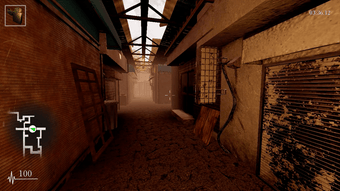
The title relies on atmospheric presentation: dim lighting, echoing corridors, and spirits wearing Noh masks create a persistent unease. Audio cues play a central role because enemies track proximity and noise, so sound design shapes how players move and hide. The first-person perspective keeps UI elements minimal, letting audio and visual threats dictate pacing and forcing attention on environment details rather than HUD readouts.
How does difficulty, progression, and replayability affect the experience?
Replayability comes from randomized dungeons and variable item placement, which reward pattern recognition and cautious play. Difficulty settings span from Beginner to Shura or Inhuman, so challenge can be tuned but the default experience skews demanding. The game evolved from a free indie build into this expanded edition, and that growth preserves high-stakes tension that primarily appeals to seasoned survival-horror players who prize repeated high-pressure runs.
Shadow Corridor suits patient horror fans who tolerate challenge
Shadow Corridor is a demanding choice for players who enjoy careful stealth, tense encounters, and folklore-rooted atmosphere. Critics note a steep difficulty curve and some technical limitations, making it a better match for those who accept challenge and occasional rough edges. In practice, the game rewards methodical play and persistence, but players seeking gentle onboarding or fast-paced action should consider that trade-off before diving in.
Pros
Procedurally generated dungeons keep each run unpredictable
Karuta card system enables passive ability customization
Apparition Defenders mode lets you play as the ghosts
Distinct J‑Horror aesthetic with Noh‑mask apparitions
Laws concerning the use of this software vary from country to country. We do not encourage or condone the use of this program if it is in violation of these laws. Softonic may receive a referral fee if you click or buy any of the products featured here.